
A Warrior in the Garden: Jiu Jitsu Longevity Through Meditation, Mindful Movement, and Nutrition for Midlife Grapplers
- D. G.
- Mar 8
- 4 min read
The saying, "It's better to be a warrior in a garden than a gardener in a war," carries powerful meaning for anyone committed to long-term success in jiu jitsu, especially those grappling with the challenges of midlife. This quote reminds us that preparation, resilience, and balance are key to thriving on the mats over decades. For midlife grapplers, longevity in jiu jitsu depends not only on technique but also on cultivating a lifestyle that supports body and mind. Practices like meditation, breath work, yoga, somatic movement, flow, and mindful nutrition create a foundation that keeps you strong, flexible, and focused.
This post explores how these elements connect to the warrior mindset and offer practical ways to extend your jiu jitsu journey with health and vitality.

The Warrior in the Garden: What the Quote Means for Midlife Grapplers
At first glance, the quote contrasts two roles: the warrior and the gardener. The warrior is prepared for conflict, strong and alert. The gardener tends to growth, nurturing life in a peaceful setting. Being a warrior in a garden means you are ready for challenges but choose to cultivate peace and health. Being a gardener in a war means you are unprepared for conflict and vulnerable.
For midlife grapplers, this translates into building a strong, resilient body and mind while embracing recovery and self-care. The mats can be demanding on joints, muscles, and energy levels as we age. Without preparation, injuries and burnout become common. But with the right mindset and habits, you can stay active and competitive well into your 40s, 50s, and beyond.
The warrior mindset encourages discipline and readiness, while the garden mindset emphasizes nurturing and balance. Combining these creates a sustainable path for longevity in jiu jitsu.
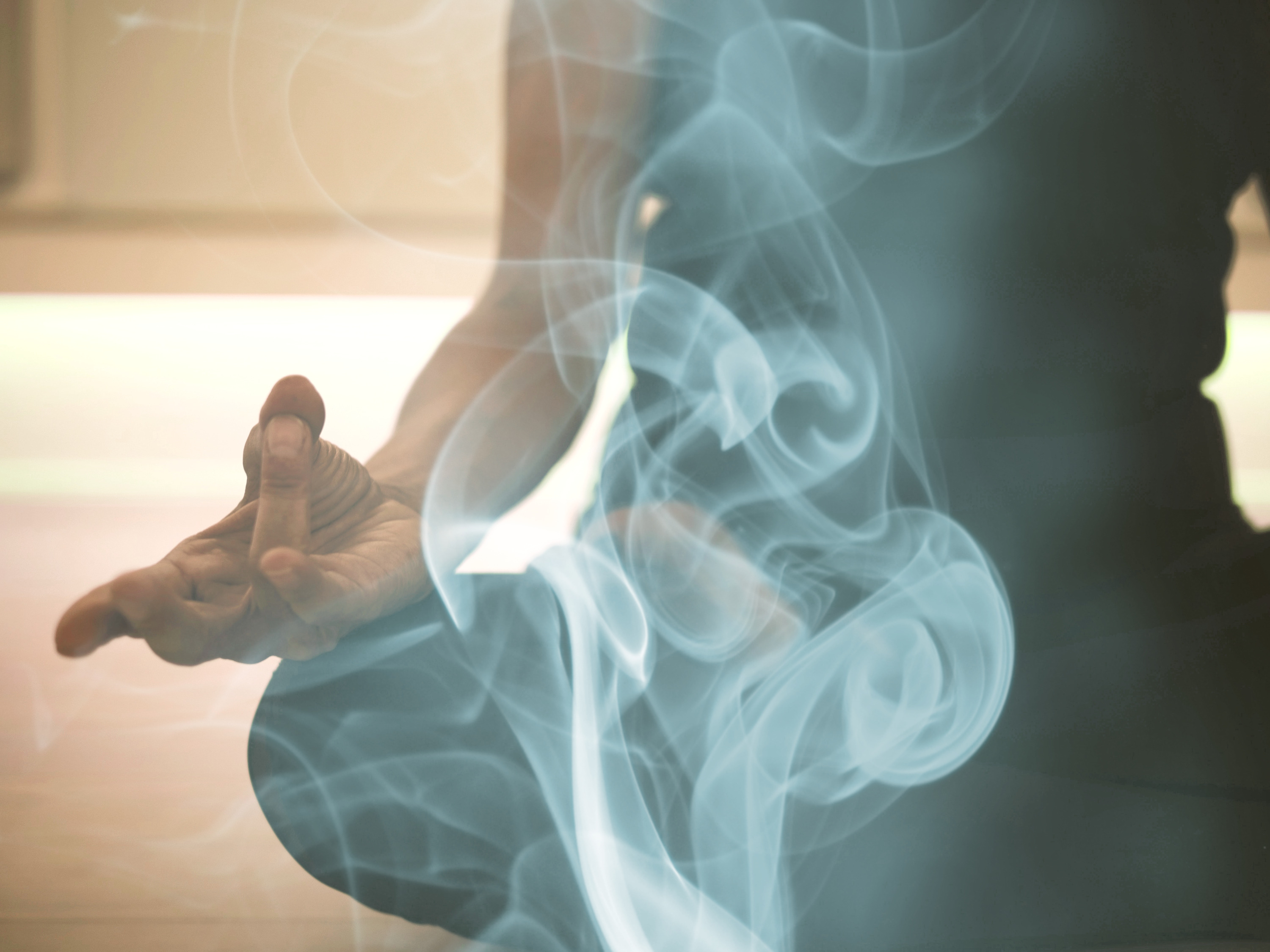
Meditation and Breath Work: Sharpening the Mind and Body Connection
Meditation and breath work are powerful tools for grapplers who want to stay sharp and calm under pressure. These practices improve focus, reduce stress, and enhance recovery.
Meditation helps regulate emotions and clear mental clutter. Grappling requires quick decisions and calmness in chaotic moments. Regular meditation trains your brain to stay centered.
Breath work controls the nervous system. Techniques like box breathing or diaphragmatic breathing increase oxygen flow, reduce anxiety, and improve endurance on the mats.
For example, a midlife grappler might start the day with 10 minutes of meditation followed by breath exercises. This routine can lower cortisol levels, improve sleep quality, and boost energy for training sessions.
Yoga and Somatic Movement: Building Flexibility and Body Awareness
A common challenge for midlife athletes is maintaining flexibility and preventing injuries. Yoga and somatic movement address these issues by promoting mobility, balance, and body awareness.
Yoga stretches tight muscles, strengthens stabilizing muscles, and improves joint health. It also encourages mindful movement, which helps prevent overuse injuries.
Somatic movement focuses on sensing and releasing tension patterns in the body. This practice rewires movement habits, reduces pain, and enhances coordination.
Incorporating yoga or somatic sessions 2-3 times a week can make a noticeable difference. For instance, a grappler who struggled with lower back stiffness found relief and improved guard retention after adding gentle yoga flows to their routine.
Flow States on the Mats: Moving with Ease and Efficiency
Flow is the state where movement feels effortless and time seems to slow down. Achieving flow in jiu jitsu means your mind and body work in harmony, leading to better technique execution and less energy waste.
Midlife grapplers can cultivate flow by:
Practicing drills that emphasize smooth transitions rather than brute strength.
Focusing on breathing and staying relaxed during sparring.
Using visualization techniques to prepare mentally for rolls.
Flow reduces the risk of injury because your body moves naturally and efficiently. It also makes training more enjoyable, which supports long-term commitment.
Nutrition: Fueling the Warrior’s Body for Longevity
Nutrition plays a critical role in recovery, energy, and overall health. Midlife grapplers need to pay attention to what they eat to support their training and aging bodies.
Key nutrition tips include:
Prioritize whole foods like vegetables, fruits, lean proteins, and healthy fats.
Stay hydrated to maintain joint lubrication and cognitive function.
Balance macronutrients to fuel workouts and aid muscle repair.
Include anti-inflammatory foods such as turmeric, ginger, and omega-3 rich fish to reduce joint pain.
Limit processed foods and sugars that can increase inflammation and slow recovery.
For example, a grappler who shifted from a standard diet to one rich in nutrient-dense foods noticed faster recovery times and less joint discomfort during training.
Creating a Sustainable Routine for Midlife Jiu Jitsu Success
Combining these practices into a daily or weekly routine helps midlife grapplers stay on the mats longer and healthier. Here’s a sample weekly plan:
Daily: 10 minutes meditation and breath work in the morning.
3 times a week: Yoga or somatic movement sessions.
Training days: Focus on flow and mindful sparring.
Nutrition: Plan meals around whole foods and hydration.
Consistency is key. Small, sustainable changes build resilience and reduce injury risk over time.
The wisdom of being a warrior in a garden applies perfectly to midlife grapplers. You prepare your body and mind for the demands of jiu jitsu while nurturing recovery and balance. Meditation, breath work, yoga, somatic movement, flow, and nutrition are essential tools for longevity on the mats.
Comments